




Glass Glazing
Acoustic glazing
Glass specifications designed around the kind of external noise you want to reduce.
- Acoustic interlayer options
- Asymmetric pane and cavity choices
- Whole-opening approach to noise
Product details
Start with the noise you hear.
 View full size
Acoustic glazing can combine acoustic interlayers, different pane thicknesses and selected cavities to reduce sound transmission. The useful specification depends on the noise source and the complete opening.
Glass is only one part of the result: frames, seals, ventilation paths and installation also matter. Tell us about the road, rail or other noise you experience so the glazing can be considered in context.
Specification
At a glance.
- Supplier examples
- Guardian LamiGlass Acoustic and Pilkington Optiphon are distinct product options
- Performance basis
- Selected tested glass build-up and complete installed opening
aWindow installations
Consider the room beyond the window.
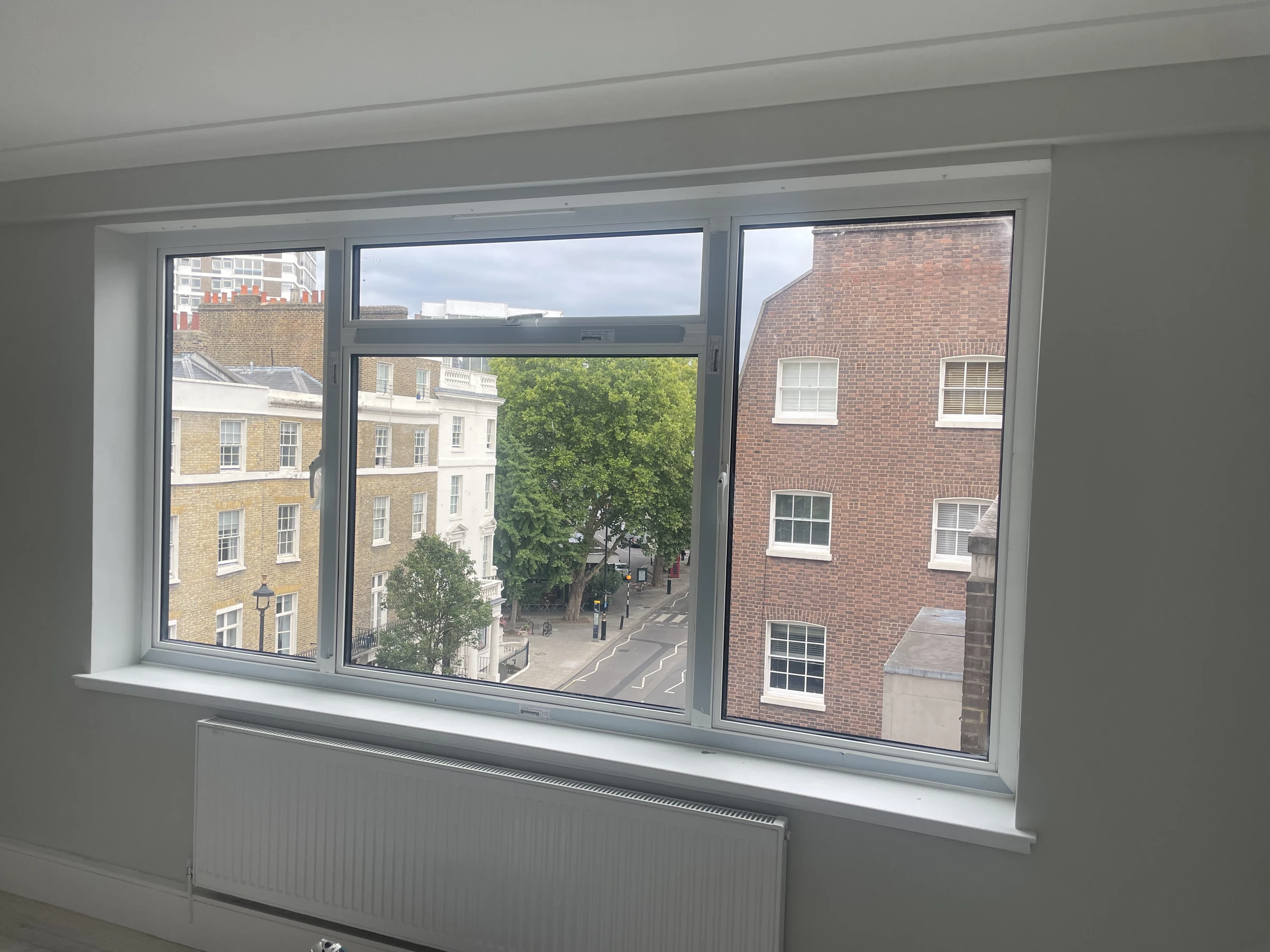
The position of a window, nearby noise and how the room is used guide the conversation about acoustic glazing.
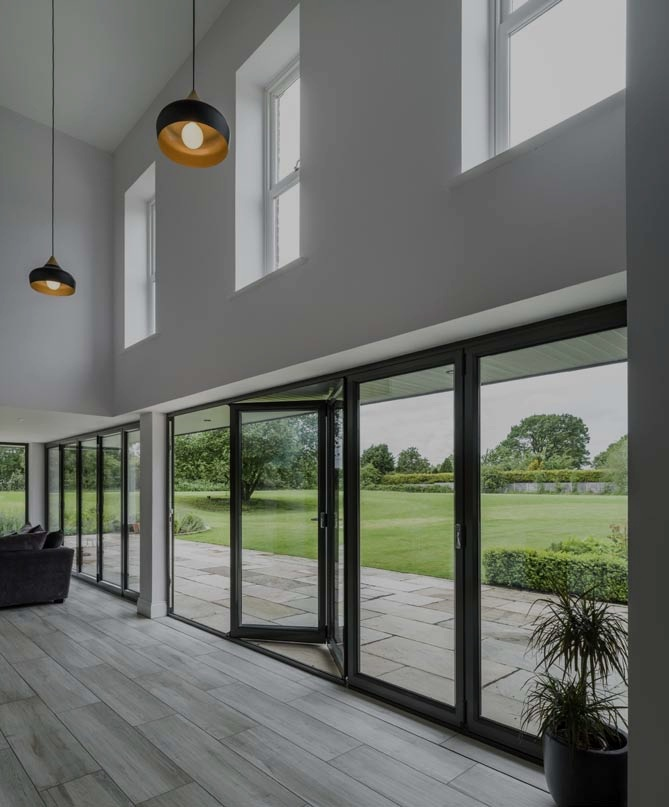
Thermal double & triple glazing
Compare glass-unit choices for heat retention, thickness and weight.
Explore product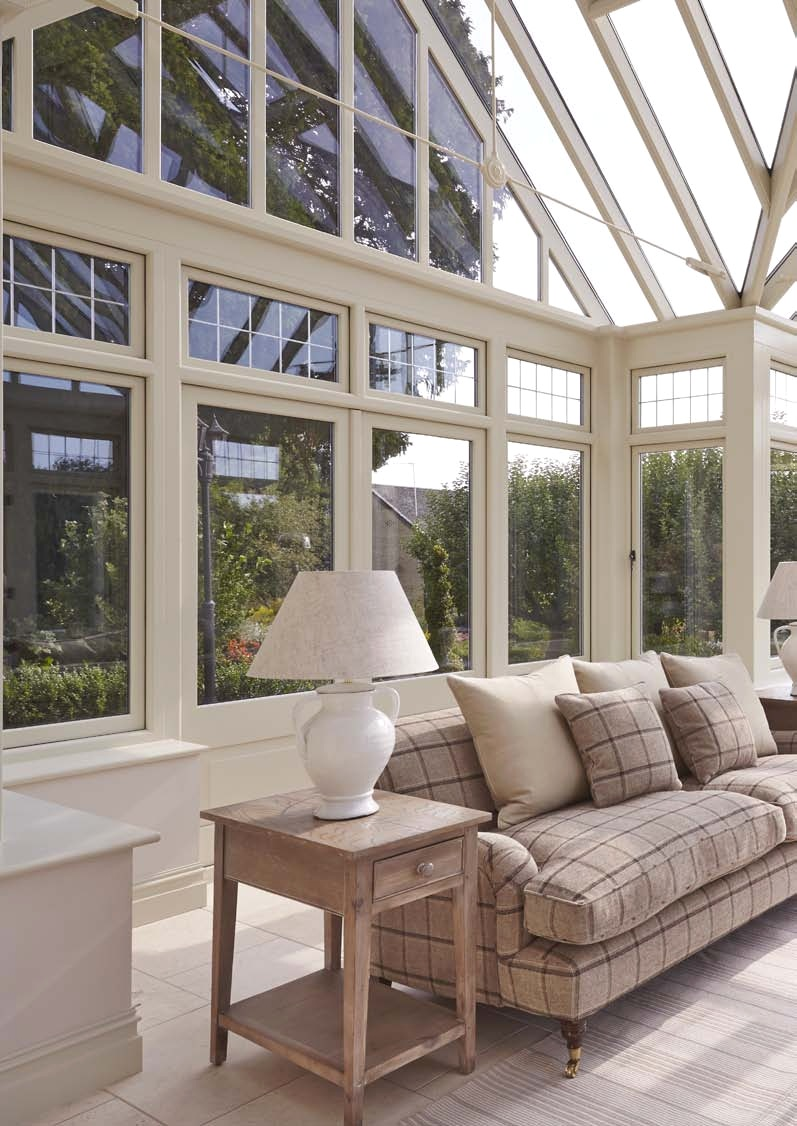
Solar-control glazing
Selective coatings that balance useful daylight with incoming solar energy.
Explore product
Toughened & laminated safety glass
Different glass constructions for impact behaviour and retention after breakage.
Explore productYour project
Describe the noise you hear.
Tell us the noise source, affected rooms and how you currently ventilate them. Share photographs of the openings and any available frame or glass details so the acoustic specification can be considered in context.
Discuss Acoustic glazing