

aWindow timber collection Windows
Timber sash · traditional weights
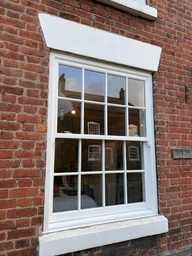
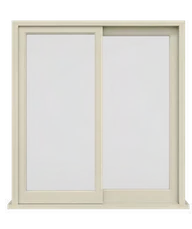
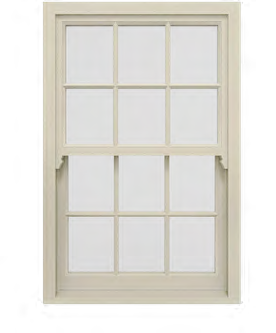
A traditional sliding sash using cords, pulleys and concealed counterweights.
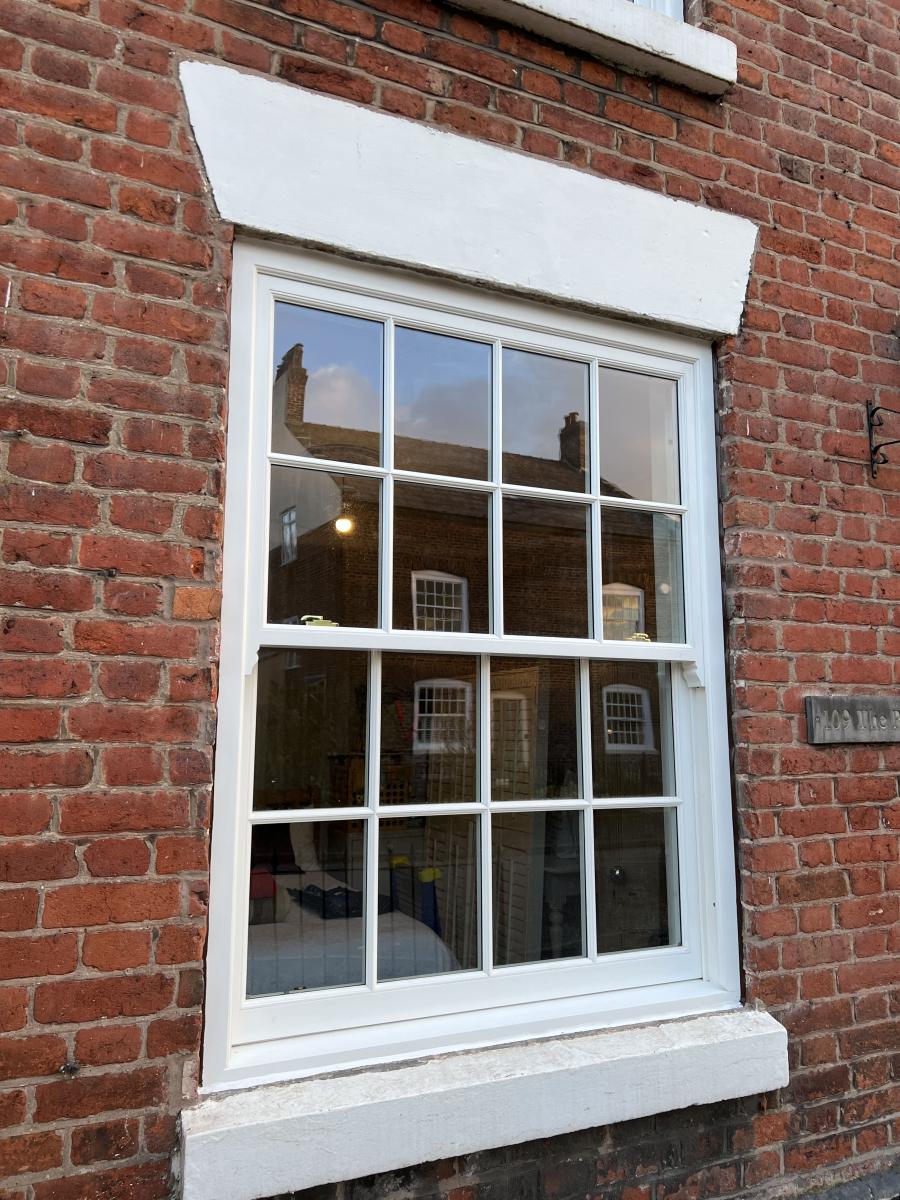
- Cord-and-pulley operation
- Concealed counterweights
- Traditional box-sash character
Product details
Traditional movement. Lasting character.
 View full size
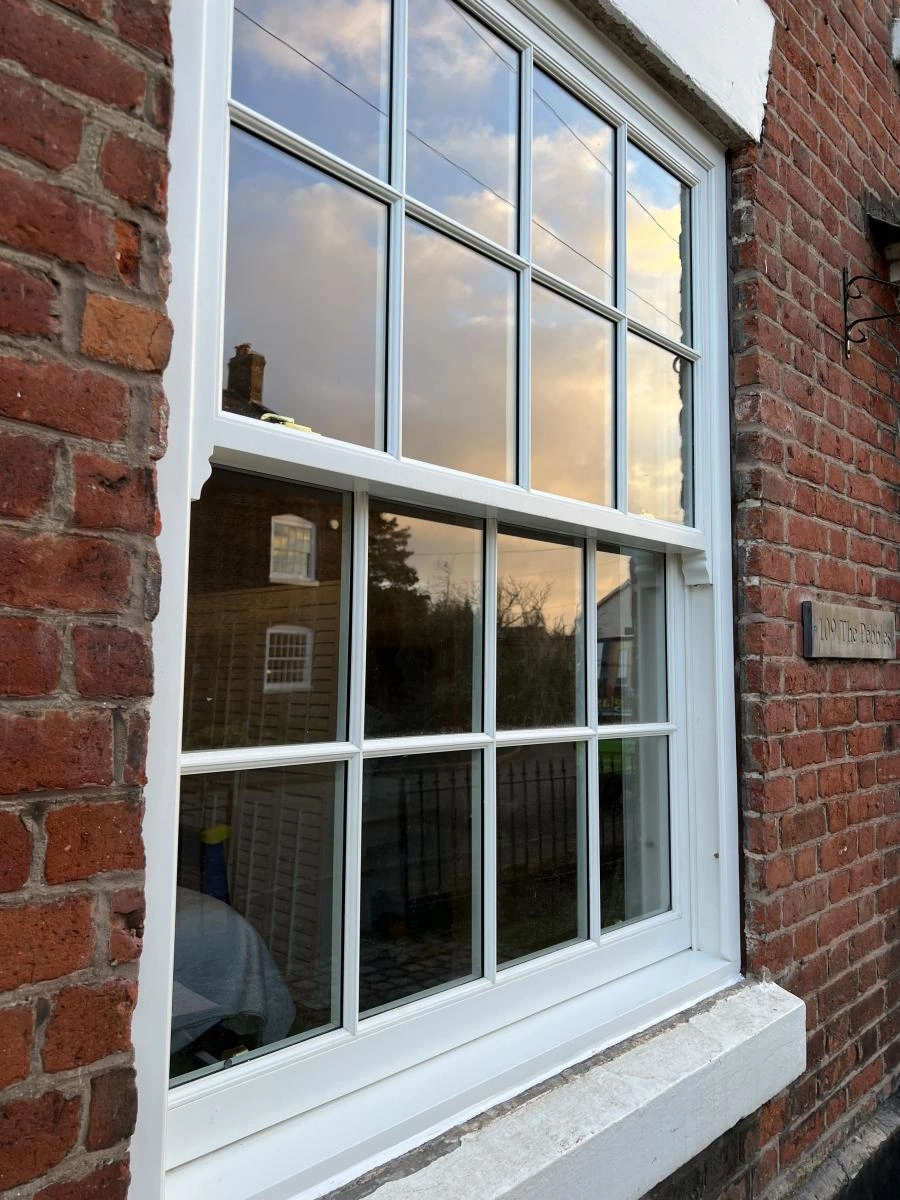
The counterweights sit in boxes beside the opening, so the depth and condition of the surrounding joinery matter when replacing a traditional sash. The glass and the completed sash weight are considered together to establish the balance.
Frame depth, existing reveals and the relationship between the two sashes matter when considering a replacement. Glazing bars, mouldings and ironmongery can be reviewed alongside the practical requirements of the opening.
Inside the construction
Look a little closer.
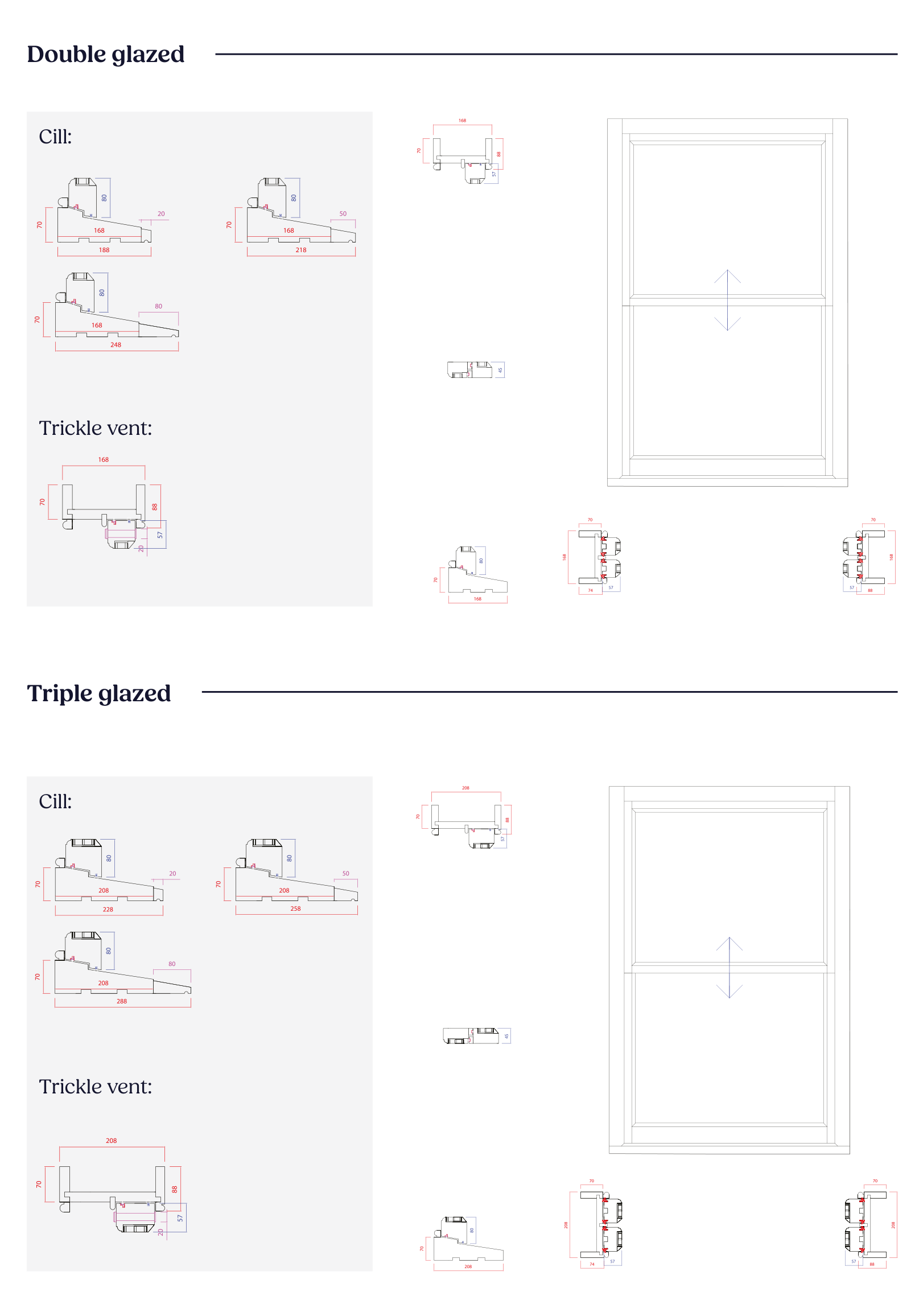
Open the drawings to inspect frame, glass and fixing details.
Weighted sash sections
Double- and triple-glazed frame, sash and cill details. Final joinery and installation details may differ.
 Open full-size
Construction & detail
Character, down to the detail.
Specification
At a glance.
- Operating mechanism
- Cords, pulleys and lead counterweights
- Frame and glazing
- Designed around the opening and balanced sash weight
Joinery, fit & operation
Two ways to balance a sash.
Both options move vertically. The practical choice is how the sash is balanced, how the frame fits your opening and which joinery details suit the building.
The balance mechanism alone does not determine warmth, price, maintenance or planning suitability. Confirm the construction, glazing, seals and installation for the proposed window. Listed-building and conservation requirements must be checked for the individual property.
| Compare the detail | You’re viewing Timber sash · traditional weights
| Explore this system Timber sash · spiral balance
|
|---|---|---|
| How it balances | Cords run over pulleys to counterweights housed beside the opening. | Spring balances support the moving sash; the balance is selected for its weight. |
| Frame and opening | Allow for weight pockets and review box-frame depth, reveals and existing joinery. | Review the balance channels, frame depth and fixing detail against the available opening. |
| Appearance | Meeting rails, horns, mouldings, glazing bars and visible pulley details shape the result. | Meeting rails, horns, mouldings, glazing bars and balance-channel details shape the result. |
| Glazing and sash weight | Choose the glass and sash construction before confirming counterweight size and travel. | Choose the glass and sash construction before selecting the balance rating and travel. |
| Care and access | Discuss access to cords, pulleys and weight pockets as part of the frame detail. | Discuss access to the balance mechanism and the proposed hardware. |
| Thermal and weather performance | Confirm for the complete window, including glazing, seals and installation. | Confirm for the complete window, including glazing, seals and installation. |
| A useful starting point | When retaining cord-and-pulley operation is part of the joinery brief. | When a spring-balanced arrangement suits the available frame detail and chosen sash. |
| Your project | Discuss Timber sash · traditional weights | Timber sash · spiral balance |
Your project
Review the existing box and reveals.
Send photographs of the whole opening and existing box frame, with approximate reveal dimensions. Include the glazing-bar pattern and mouldings you want to retain so the weighted-sash replacement can be considered in context.
Discuss Timber sash · traditional weights