

Glass Glazing
Thermal double & triple glazing
Compare glass-unit choices for heat retention, thickness and weight.
- Low-E glass-unit options
- Double- and triple-glazed configurations
- Warm-edge spacer consideration
Product details
Consider the glass and the whole window.
 View full size
Thermal glazing works as a complete sealed unit: low-emissivity coatings, gas-filled cavities, spacers and edge seals all contribute. Double glazing offers a single cavity, while triple glazing adds a pane and a second cavity.
A lower centre-pane glass value does not by itself describe the whole window. The frame, edge detail, unit size and installation affect the finished result, while the chosen system must support the added depth and mass.
Specification
At a glance.
- Brochure double-glazing example
- Ug 1.0 W/m²K centre-pane value
- Brochure triple-glazing example
- Ug 0.5 W/m²K centre-pane value
- Whole-window result
- Uw depends on the complete window configuration
aWindow installations
Glazing for the rooms you live in.
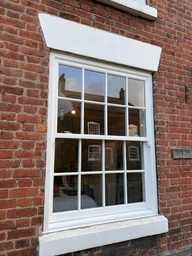
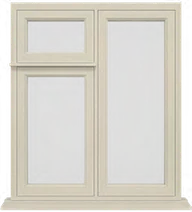
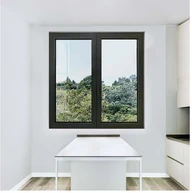
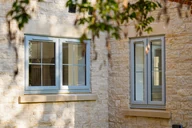
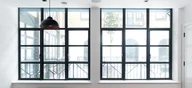
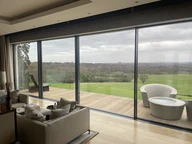
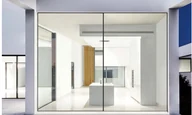
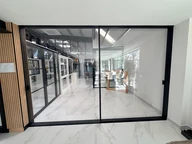
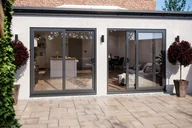
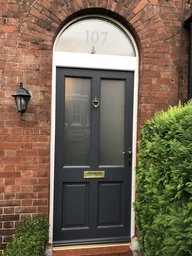
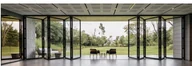
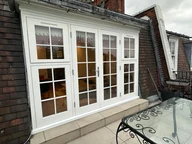
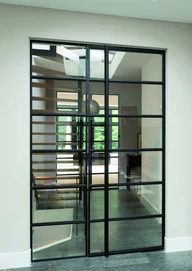
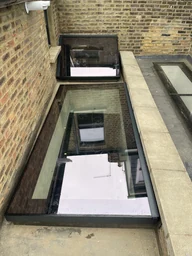
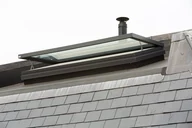
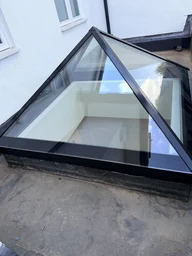
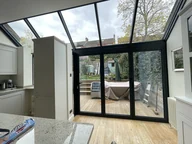
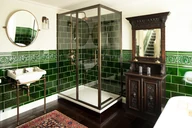
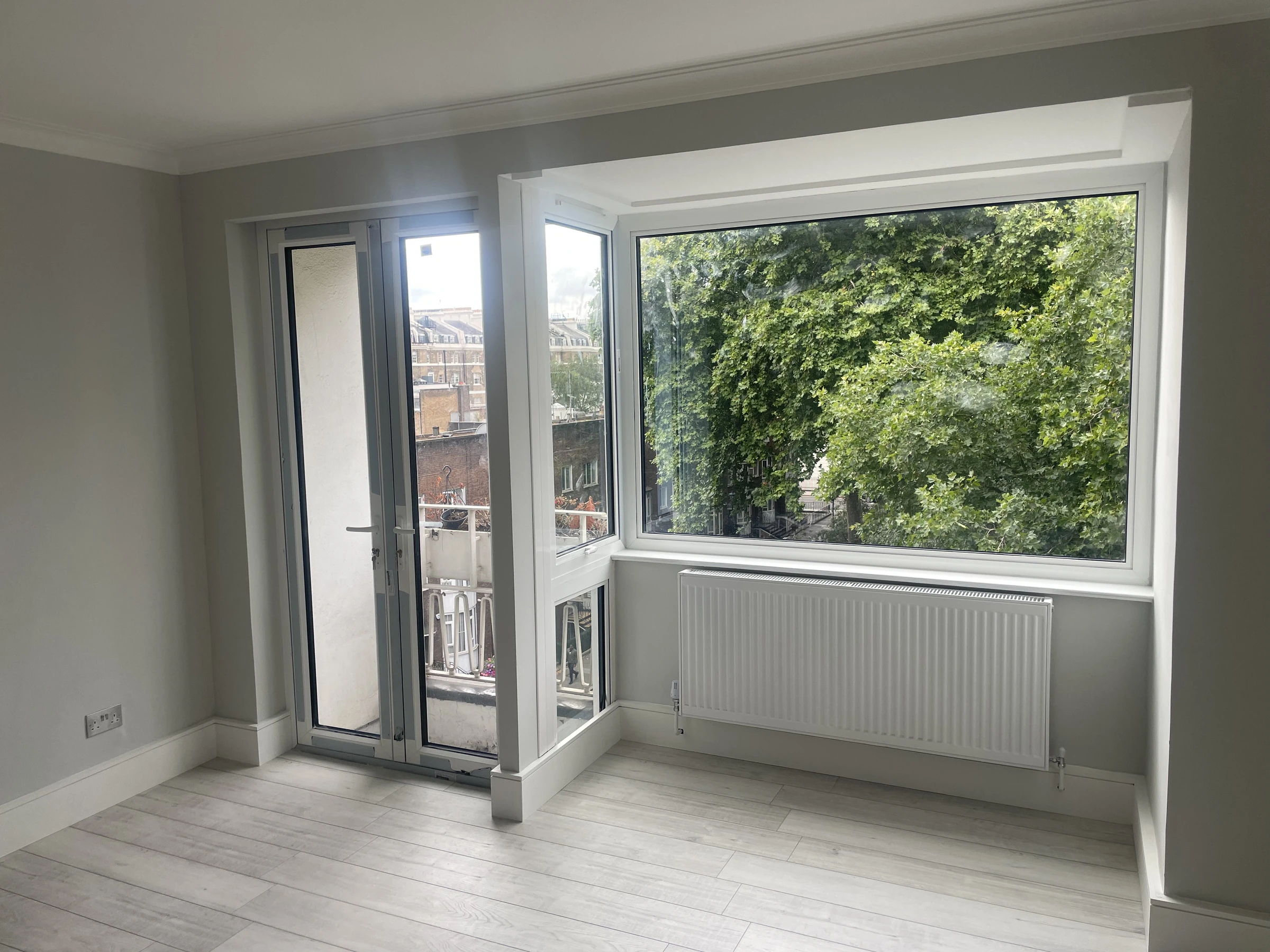
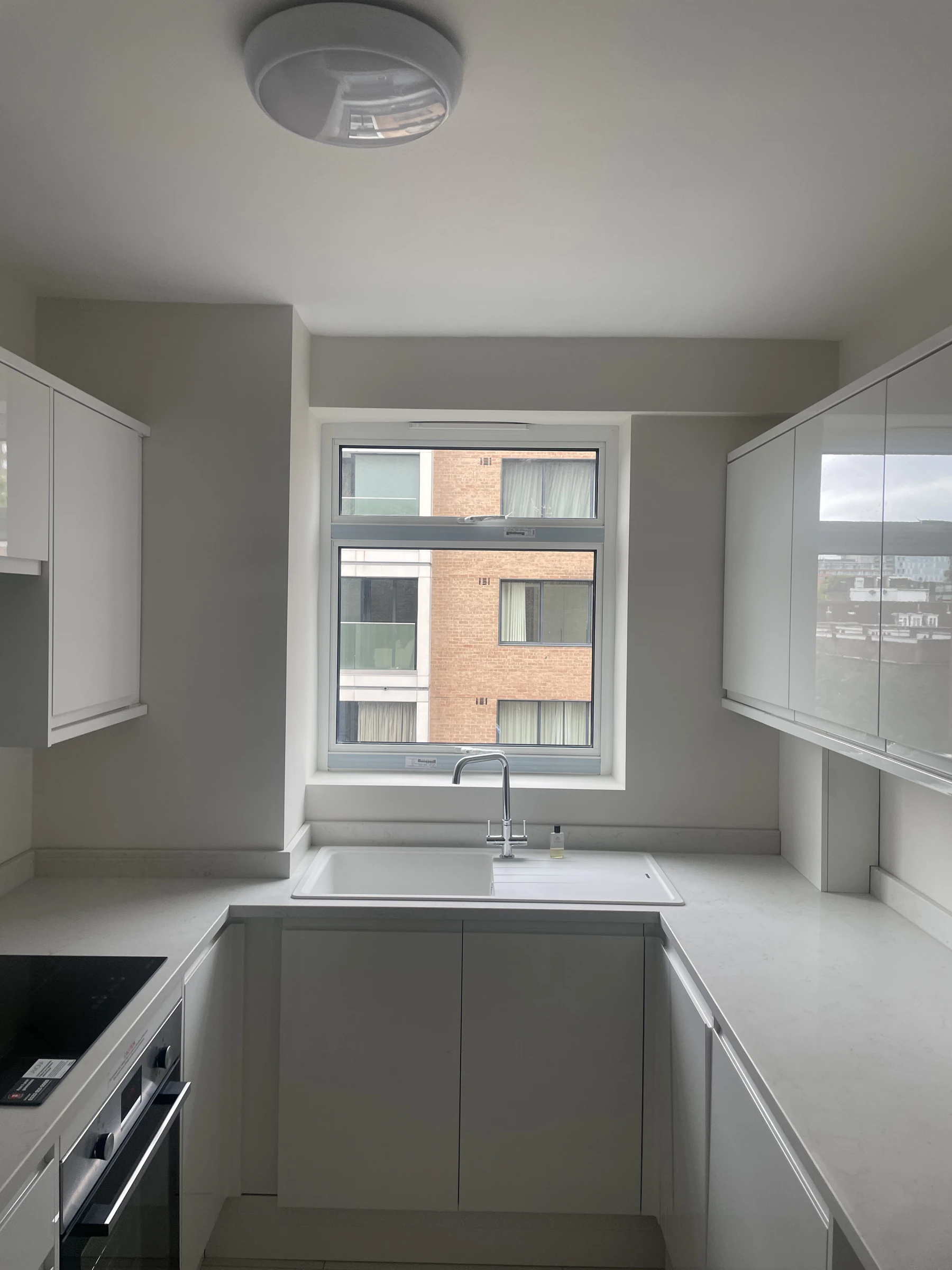
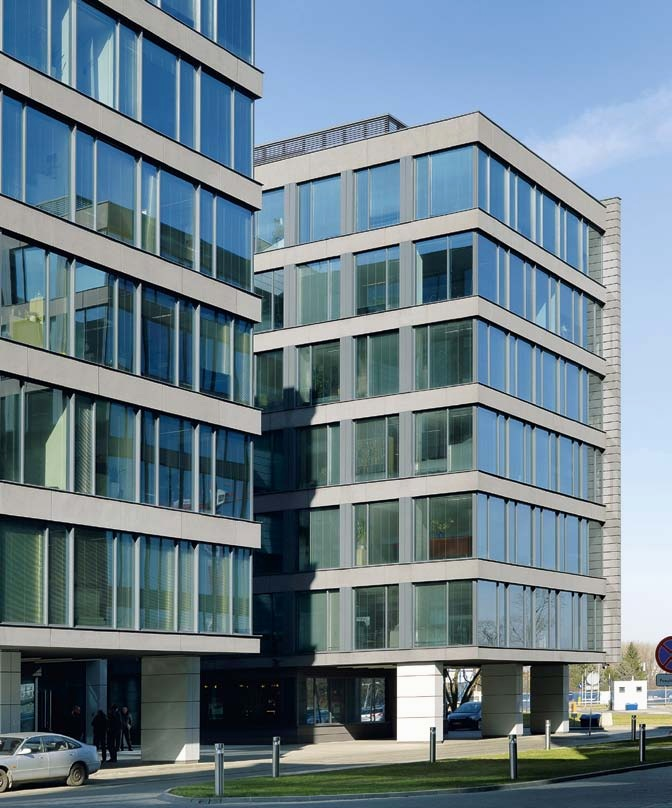
Start with the room and the way you use it. These aWindow installations show different openings to consider when discussing a glazing specification.
Acoustic glazing
Glass specifications designed around the kind of external noise you want to reduce.
Explore product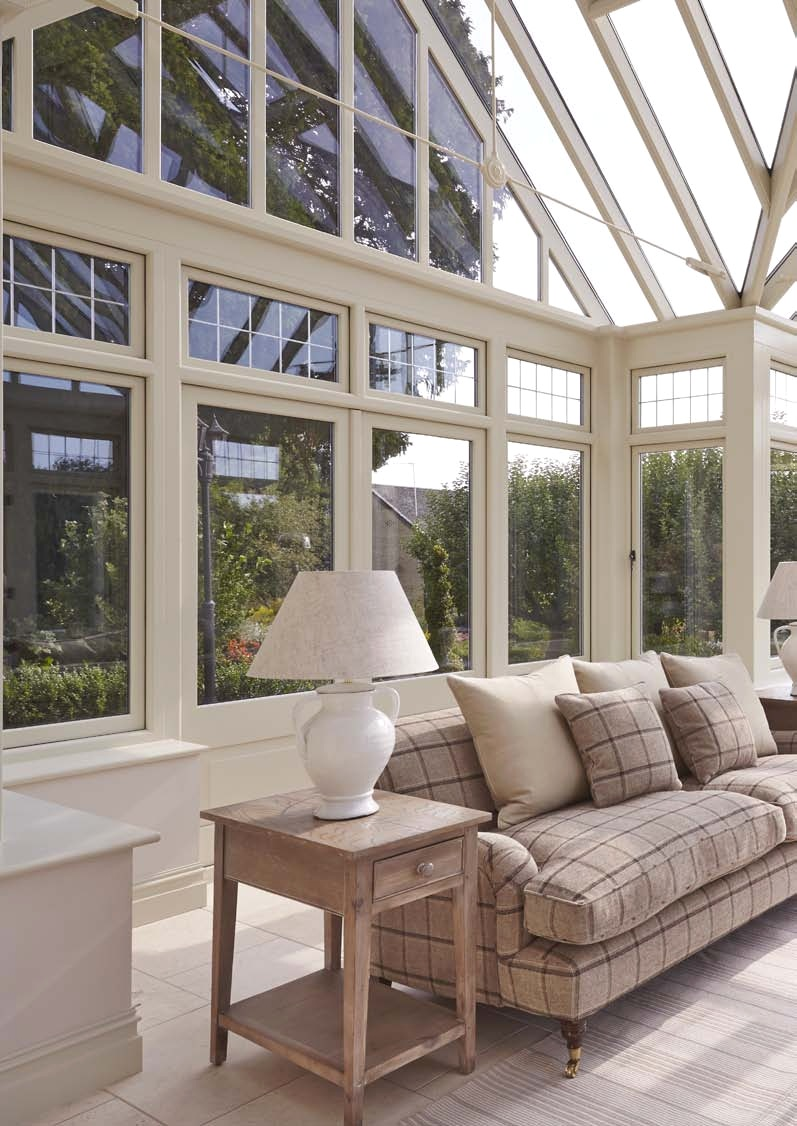
Solar-control glazing
Selective coatings that balance useful daylight with incoming solar energy.
Explore product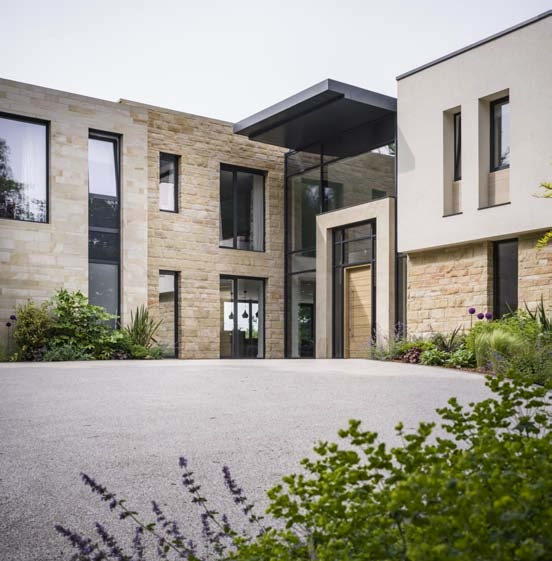
Toughened & laminated safety glass
Different glass constructions for impact behaviour and retention after breakage.
Explore productYour project
Review the complete window specification.
Tell us which frame system or existing window the glass is for, and share any target thermal performance. Include opening sizes and other acoustic, solar or safety needs when comparing double and triple glazing.
Discuss Thermal double & triple glazing