

Glass Glazing
Solar-control glazing
Selective coatings that balance useful daylight with incoming solar energy.
- Control of incoming solar energy
- Daylight and appearance balance
- Useful for large or sun-exposed glazing
Product details
Daylight, with solar gain considered.
 View full size
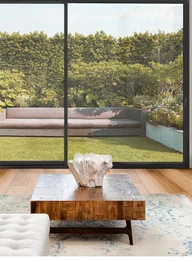
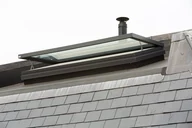
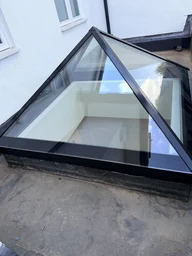
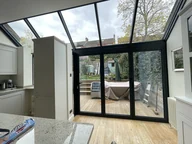
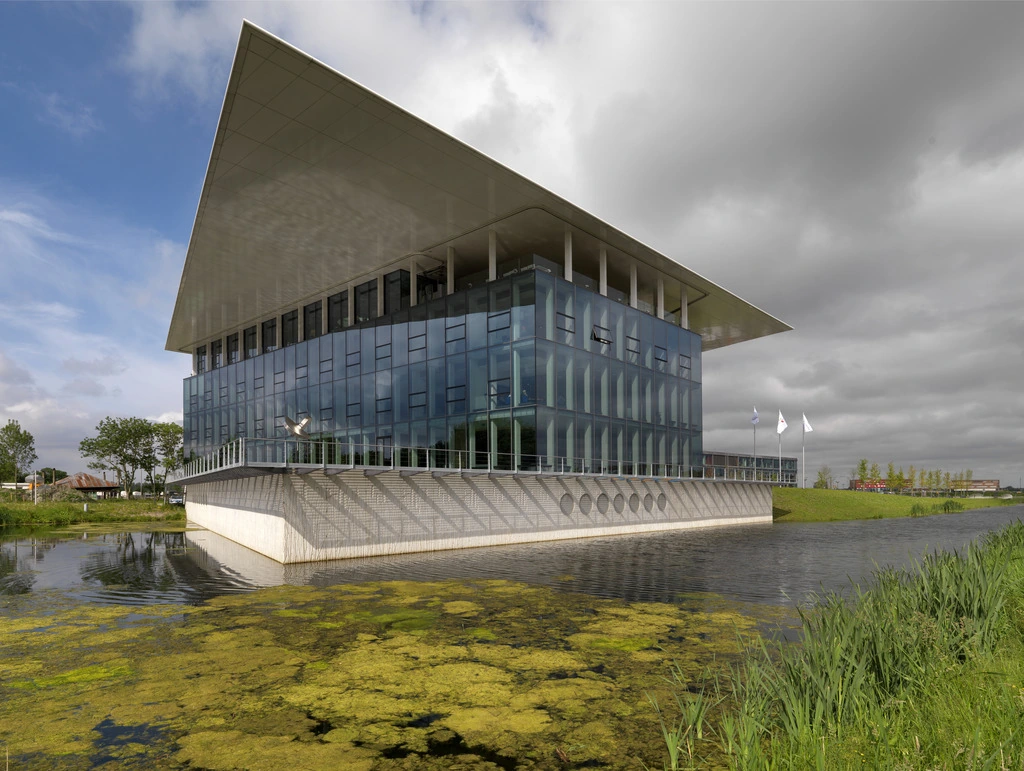
Solar-control glass is useful to discuss for large or sun-exposed openings where incoming heat and glare affect comfort. Selective coatings can retain daylight while reducing the proportion of solar energy entering the space.
Orientation, shade, ventilation and the size of the glazing all influence the room. Light transmission, solar factor and glass appearance should be compared as a whole rather than choosing on one number.
Specification
At a glance.
- Brochure examples
- Guardian SunGuard SN 70/35 and Pilkington Suncool 70/35 are separate products
- Selection criteria
- Light transmission, solar factor, thermal value and appearance
Thermal double & triple glazing
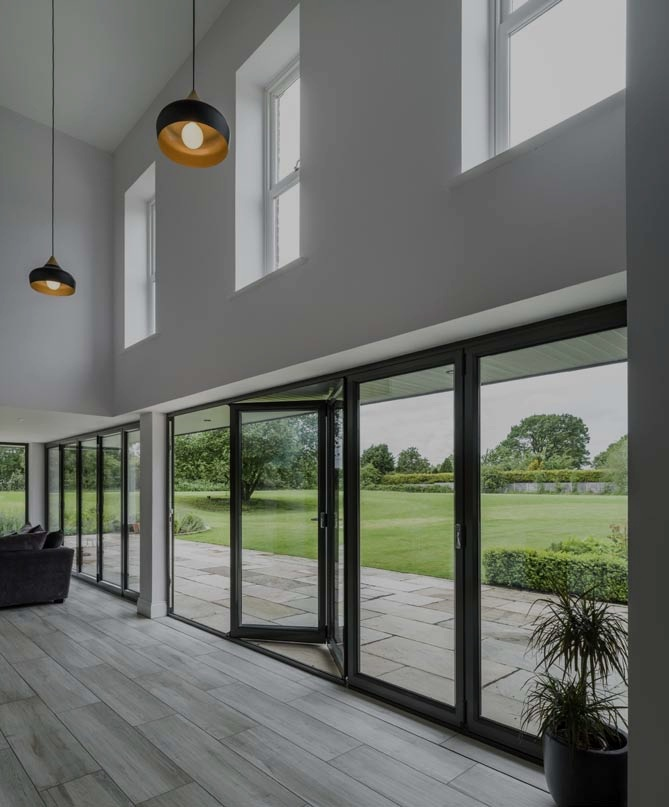
Compare glass-unit choices for heat retention, thickness and weight.
Explore product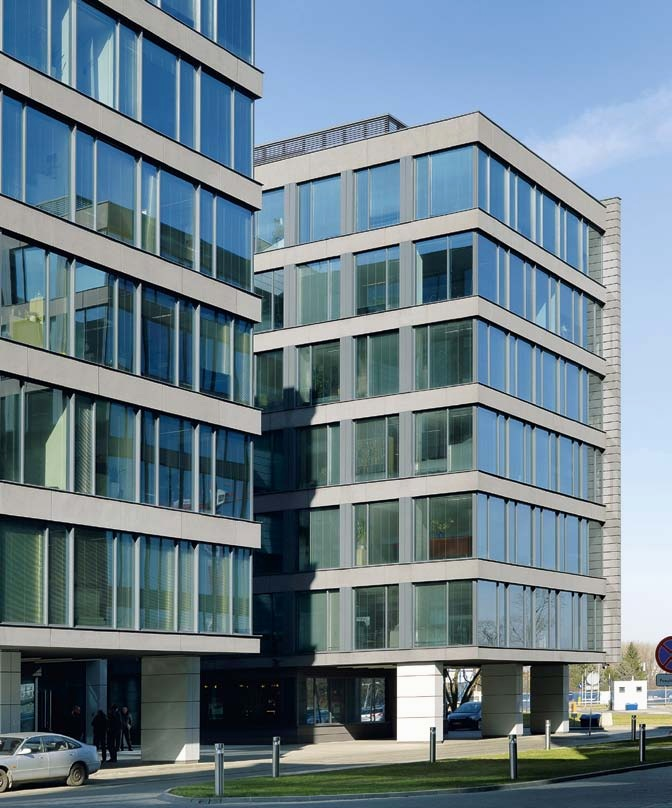
Acoustic glazing
Glass specifications designed around the kind of external noise you want to reduce.
Explore product
Toughened & laminated safety glass
Different glass constructions for impact behaviour and retention after breakage.
Explore productYour project
Describe the sun and room use.
Share the direction and size of the glazing, existing shade and the times the room becomes uncomfortable. Tell us whether heat, glare or preserving daylight is the main priority.
Discuss Solar-control glazing